flag-UK
Sign up to our newsletter
Northern Europe

7 things you didn’t know about Sweden

Think you know Sweden? From entrepreneurial spirit to icy hotel stays, these Sweden fun facts might surprise you.

Sweden is famous for its high quality of life, low crime rate and generous social welfare system – but there’s far more to this Scandinavian stunner than flat-pack furniture and fika.

From Nobel-worthy brilliance to icy hotels and surprising global debts, we’ve rounded up seven Sweden fun facts you probably didn’t know – and definitely didn’t expect.

Here are the quirky, clever and downright bizarre things that make Sweden seriously interesting.

1. Swedes Start More Businesses per Person Than Any Other Europeans

Get busy

Incredibly, more than one million companies are operating in Sweden today, leading some to dub the nation the Silicon Valley of Europe.

Why so successful, one might ask. Sweden’s home computer drive from 1998 to 2001 saw 850,000 home computers purchased, including by people who would have been unable to afford the devices without the scheme.

The country’s early investment in internet connectivity has also helped drive Sweden’s success. In 2005, there were 28 broadband subscriptions per 100 people in Sweden, compared with 17 in the United States.

Interestingly, many well-known companies are from Sweden that you might not realise, for instance, Klarna, Spotify and H&M.


– READ MORE: What to see, do & eat on a Baltic cruise

2. Smoking in Public? Not in Sweden

Put it out

Smoking in Swedish bars and restaurants has been banned since 2005, with further restrictions introduced in 2019 that also cover vaping. These rules prohibit both smoking and vaping in playgrounds, train stations and outdoor seating areas of bars and restaurants.

Sweden now has one of the lowest smoking rates in Europe. In 2024, just 5.4 percent of adults (aged 16–84) smoked daily, down from 5.6 percent in 2022. The World Health Organisation defines a country as “smoke-free” when fewer than 5 percent of the population smokes daily — a milestone Sweden is close to but hasn’t yet officially reached.

The country’s dramatic decline in smoking is widely attributed to its use of harm-reduction alternatives such as snus (a moist oral tobacco), nicotine pouches and vapes. Vaping is particularly popular among younger adults and is now subject to the same public restrictions as smoking.

3. The Nobel Prize Was Born in Sweden

Clever clogs

Swedish chemist, engineer and industrialist Alfred Nobel was a millionaire who invented dynamite in Northern Germany and patented it in 1867.

In 1985, as he signed his last Will, he decided to make amends for the destruction the explosive had created, declaring that the major portion of his wealth should go toward prizes in physics, chemistry, physiology or medicine, literature and peace to those who “conferred the greatest benefit to humankind.”

He left 31 million SEK (today about $265million) to fund the Nobel Prize, the first of which was awarded on December 10 1901, after four years of the Nobel’s executors convincing all parties to follow the chemist’s wishes.

His Will detailed that the country of origin was to play no part in who received the prize, stating: “It is my express wish that when awarding the prizes, no consideration be given to nationality, but that the prize be awarded to the worthiest person, whether or not they are Scandinavian.”

Nevertheless, over the past century, Sweden has won 32 Nobel prizes – the United Kingdom has had 137, putting both in the list of the top 10 countries with the most Nobel Prize winners.

 

– READ MORE: What to do on holiday in Stockholm 

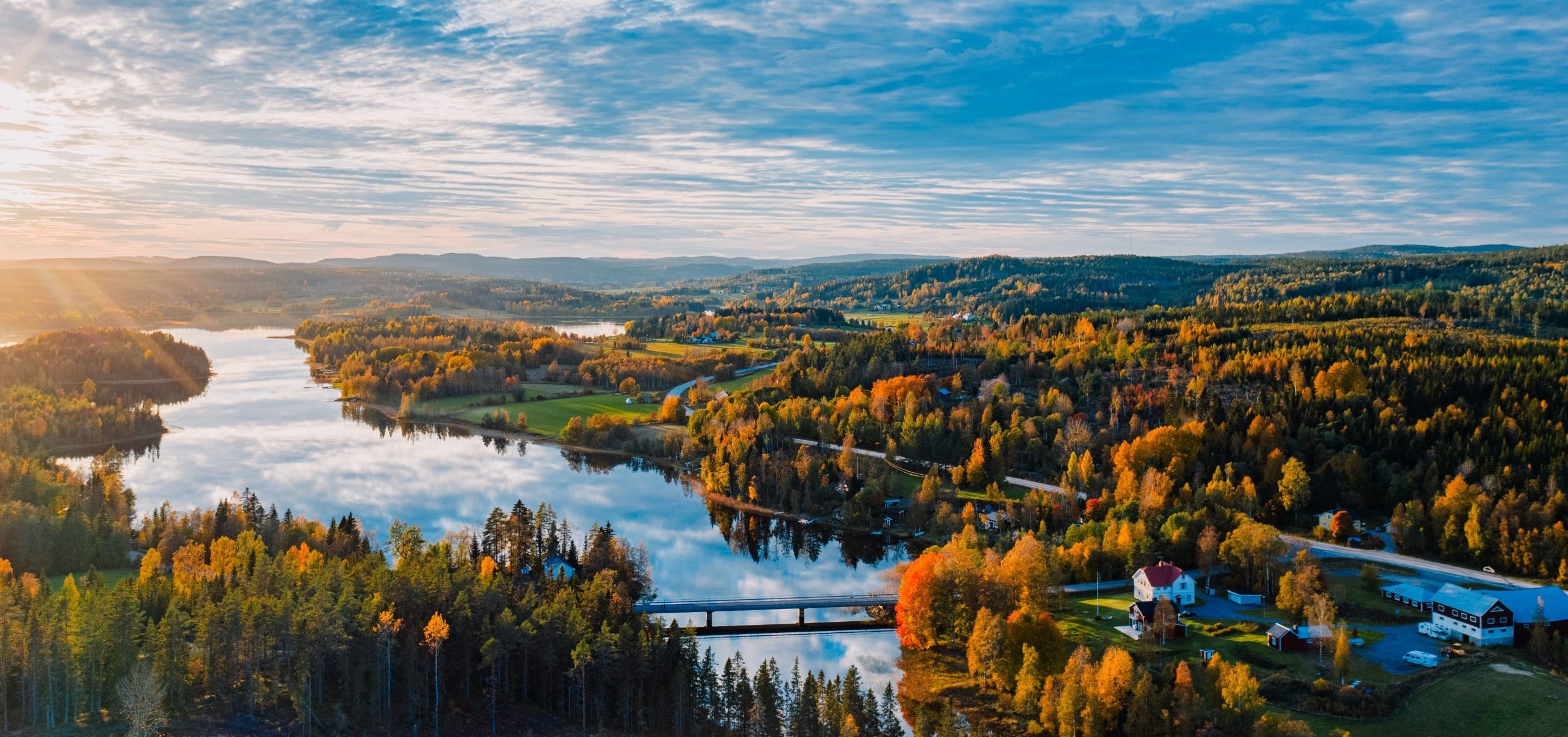
4. Sweden Is the Same Size as California — But Way Greener

Green County

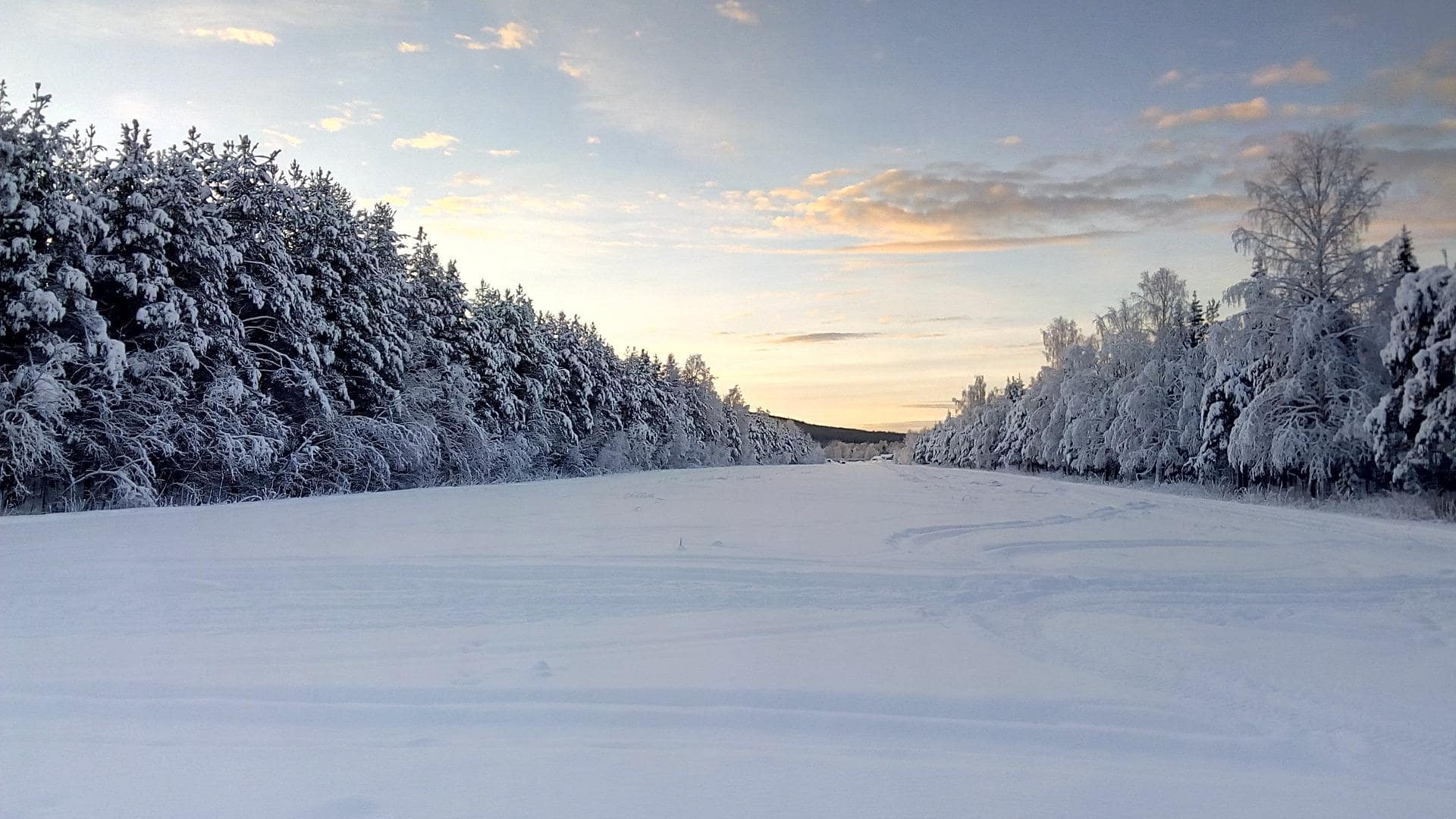
Sweden has a total area of 528,447 sq km making it the fifth largest country in Europe. What’s more, it has 30 national parks while California just has nine – more than any other US state.

Sweden is made up of the following terrains:
– Forests: 63 percent (69 percent of the land area)
– Lakes and rivers: 9 percent
– Marshland: 6.5 percent
– Agricultural land: 7 percent
– Grasslands: 7 percent
– Urban and industrial land: 3 percent
– Exposed rock and mountains: 4.5 percent


– READ MORE: Where in the world to travel by season 

5. Sweden Recycles Nearly Everything — Even Our Waste

Eco warriors

Recycling is so effective in Sweden that only one percent of waste ends up in landfill.

Fifty percent of waste is recycled or composted, while 49 percent is incinerated for energy, which, it turns out, just isn’t enough to keep the incinerators going.

As a solution to this, Sweden imports waste from neighbouring Norway and the UK to burn – yup, we pay Sweden to dispose of our rubbish!


– READ MORE: How eco-friendly are cruise ships?

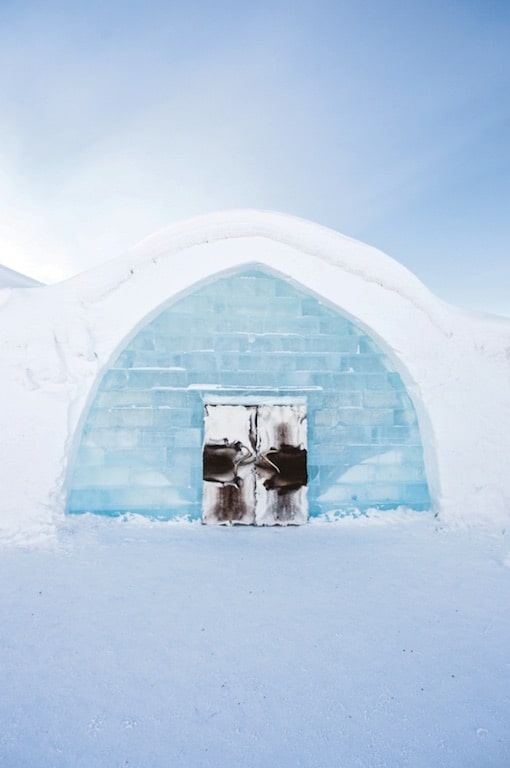
6. There’s a World-Famous Ice Hotel in Sweden

Brrr it's cold in here

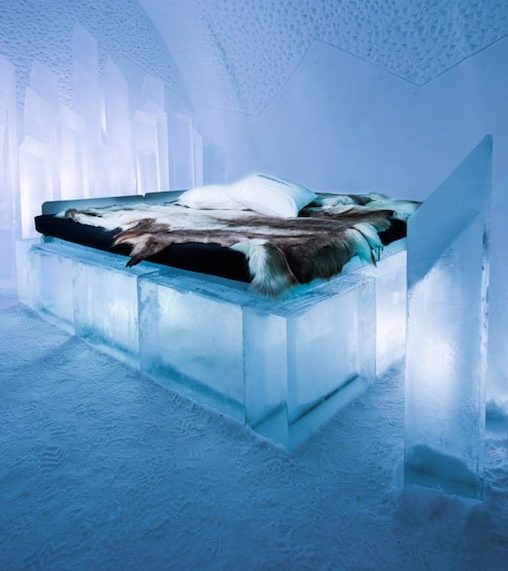
Sweden’s ice hotel was founded in 1989 and was the world’s first and largest hotel made of ice and snow. It can be found in the village of Jukkasjärvi, 200 km north of the Arctic Circle.

Each stay is guaranteed to be unique – the hotel changes every year, carefully designed and handcrafted by around 40 artists from all around the world each winter.

Guests can sleep on ice – there are fifteen to twenty standard ice rooms plus twelve art suites – or you can stay in a traditional hotel room or chalet. We know what we’d choose… Oh, and you can also get married in the Ice Ceremony Hall!


 – READ MORE: What you need to know about getting married on a cruise ship

7. North Korea Still Owes Sweden Millions for Cars

Show me the money

Back in 1974, North Korea ordered 1,000 Volvo 144 models and other mechanical equipment from Swedish companies, at the cost of the equivalent of $73million.

North Korea promised to compensate creditors either with future production or mining products but the Hermit State has never coughed up.

Over the last four decades this sum has quadrupled to around $330million but still shows no sign of being paid, despite regular reminders by Sweden.

Extra Sweden fun fact?  Volvo is the largest company in Sweden based on its annual turnover.


 – READ MORE: Find your next cruise holiday with our cruise search tool – 

Book Cruise

Set Sail

£

Scandinavia & the Baltics with P&O Cruises

Duration: 14 nights
Where: Southampton | Kiel | Helsinki | Tallinn – overnight onboard | Visby, Gotland, Sweden | Copenhagen – overnight onboard | Southampton
Ship: Britannia
Price: From £1,110 pp – at the time of writing (no-fly)

££

Scandinavia & Northern Europe with Cunard

Duration: 14 nights
Where: Southampton | Kiel | Helsinki | Tallinn | Stockholm, Sweden | Visby, Gotland, Sweden | Copenhagen | Hamburg | Southampton
Ship: Queen Victoria
Price: From £1,962 pp – at the time of writing (no-fly)

£££

Baltic Treasures & Nordic Gems with Crystal Cruises

Duration: 12 nights
Where: Flight departs | Stockholm hotel stay – 2 nights | Stockholm – overnight onboard | Helsinki | Tallinn | Visby, Gotland, Sweden | Riga | Copenhagen – overnight onboard | Flight returns
Ship: Crystal Serenity
Price: From £6,179 pp – at the time of writing (flights and hotel included)

Discover more Sweden cruises
Find out more

Author

Harriet Mallinson

Harriet Mallinson is Editor of Sailawaze and an award-winning cruise and travel journalist with 10 years of experience. Named Specialist Travel Writer of the Year at the 2024 Travel Media Awards for her cruise coverage, she writes about cruise ships, destinations, travel trends and life at sea. Her adventures have taken her from flyboarding in Malaga and ziplining in Costa Rica to truffle-hunting in Tuscany and whale-watching in Iceland. After finally ticking off the Northern Lights in Sweden, she’s now dreaming of Antarctica or French Polynesia.

Browse Articles
Published 25.06.25