Croatia and Montenegro are home to gorgeous scenery and a wealth of incredible cities steeped in history – here’s what to see, do, eat and drink in these Adriatic hotspots.
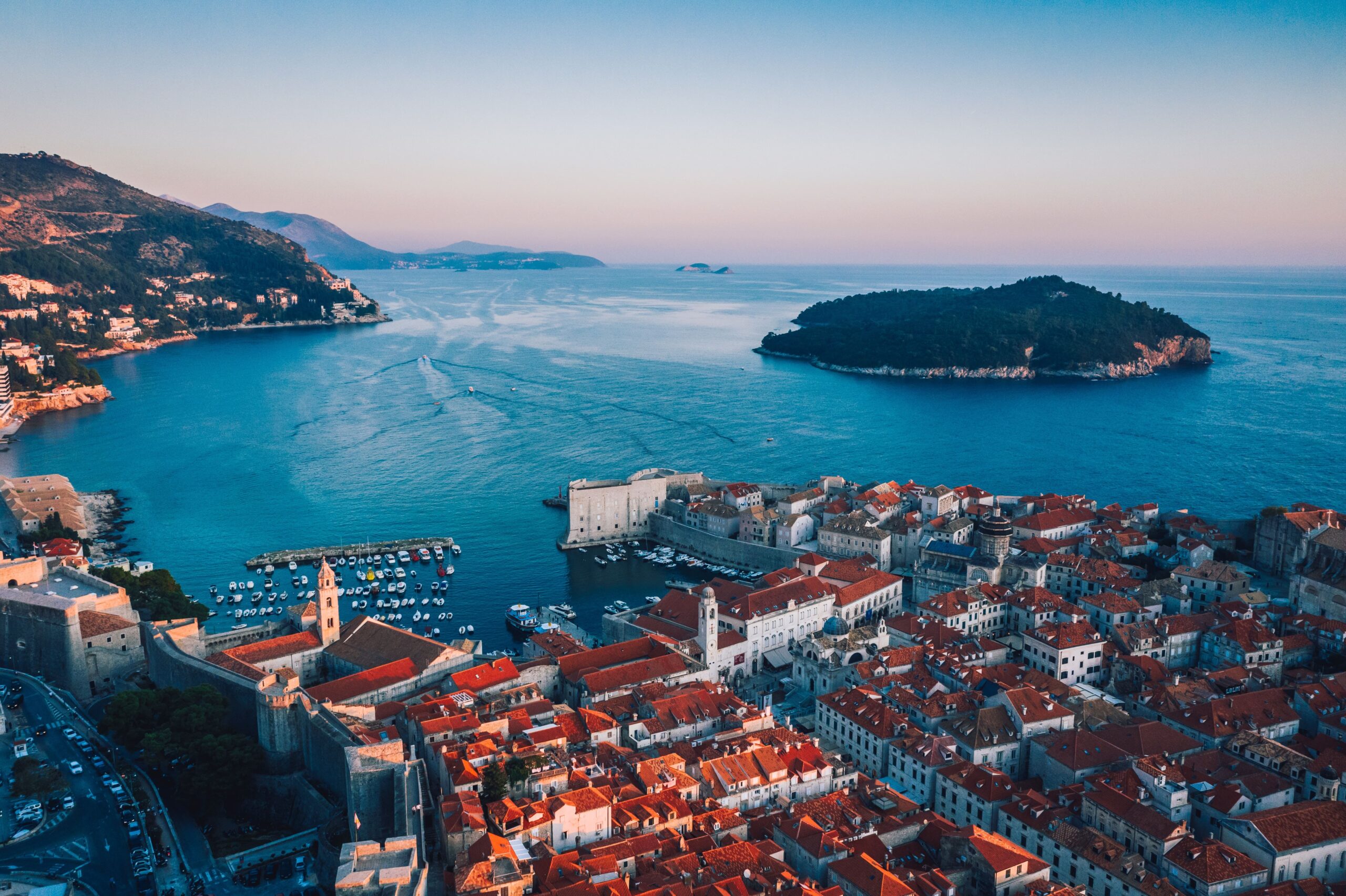
Croatia cruises don’t just appeal to Game of Thrones fans, the nation’s ancient walled towns and glistening azure seas issue a siren call to any globetrotter looking to travel beyond the charms of the Mediterranean.
Montenegro, on the Adriatic coast down from Croatia, is another treasure trove of dramatic mountains and wonderful beaches – don’t let its small size fool you!
Marella Cruises is one of a slew of cruise lines offering voyages to this part of the world (although not everyone’s are as cheap!).
To get you inspired for your Adriatic cruise era (the season generally runs from May to October), we’ve taken a look at Croatian and Montenegrin gems you’ll visit and what to see, do, eat, drink and buy there.
See: Admire (and maybe squirm) at the reliquaries in the treasury adjoining Dubrovnik cathedral on your Croatia cruise holiday. In the Middle Ages these relics were deemed so sacred they were encased in gold plating and decorated – and 138 of them can be seen today, including the skull of St Blaise (Dubrovnik’s patron saint) contained in a golden crown. Dee-lightful.
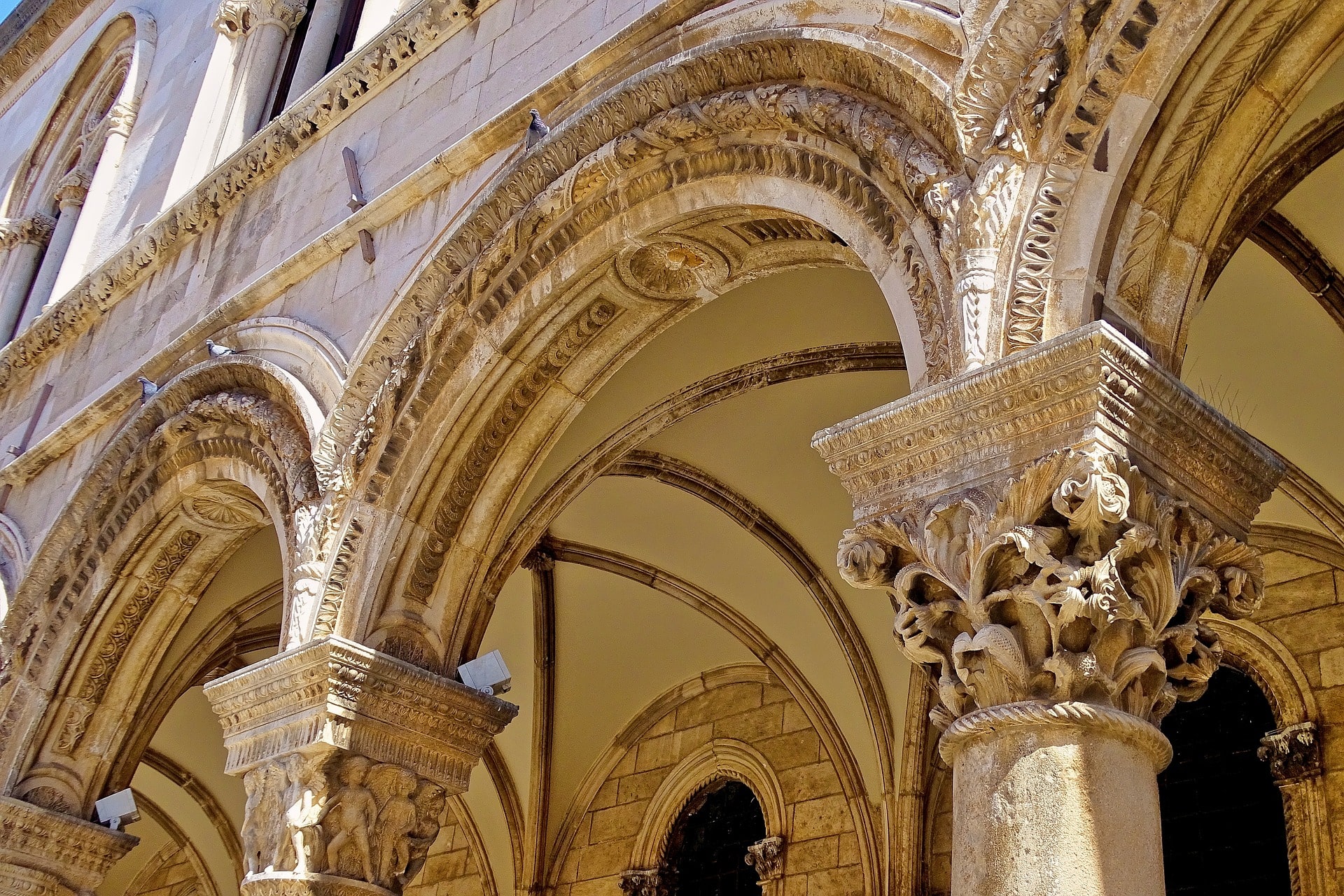
Do: Walk around the city’s Medieval walls. It’s a 2km route (allow at least 90 minutes for a leisurely stroll) and affords breathtaking views over the old town’s terracotta rooftops and the sea beyond. Fun fact: Back in the 13th century, Dubrovnik was essentially locked up at night with the wooden drawbridges at the two gates into the city (Pile Gate and Ploče Gate) raised to prevent intruders from entering. Yes, all very Game of Thrones. Be sure to check out the 15th-century Gothic-Renaissance Rector’s Palace, now the Cultural History Museum, too.
Eat: Tuck into some fabulously fresh oysters while cruising around Croatia. The tasty shellfish from Mali Ston Bay on Pelješac peninsular, formerly part of the Republic of Ragusa, have been enjoyed by Dubrovnik foodies for centuries.
Drink: Join the locals for a morning coffee at the Stradun – a 300m-long white limestone-paved promenade lined with 17th-century Baroque stone buildings linking Pile Gate and Ploče Gate – there are plenty of open-air cafes to choose from.
Buy: Pick up innovative creations from local designers and artisans at Life According to Kawa. Think olive oil, ceramics and craft beer. Perfect for souvenir prezzies.
See: Ogle the wonders of Diocletian’s Palace, a 3rd-century seafront fortress sheltering Split’s old town. The protection of the spot no doubt helped Roman emperor Diocletian (the slayer of many a Christian) become one of the few rulers of his kind to die of natural causes. The Romanesque bell tower is 196ft and well worth climbing.
Do: Head to the south-facing and sheltered beach at Bačvice bay for a relaxing spell during your Croatia cruise. It boasts a Blue Flag for cleanliness and warm water nearly all year round.
Eat: Sample the Dalmatian coast’s delicious seafood. In the past when meat was rare, locals here pretty much lived off grilled sardines. These days you can try octopus, deep-fried whitebait and gregada (a fish casserole from Hvar) to name a few fishy dishes.
Drink: Pelinkovac is the oldest and most famous herbal liqueur in Croatia. The bitter drink’s main flavour is wormwood and it’s said to even have medicinal benefits! If that’s not for you, the region also produces excellent wines.
Buy: Coo over jewellery and one-off items of clothing at the Art Market where local artists and craftspeople ply their wares.
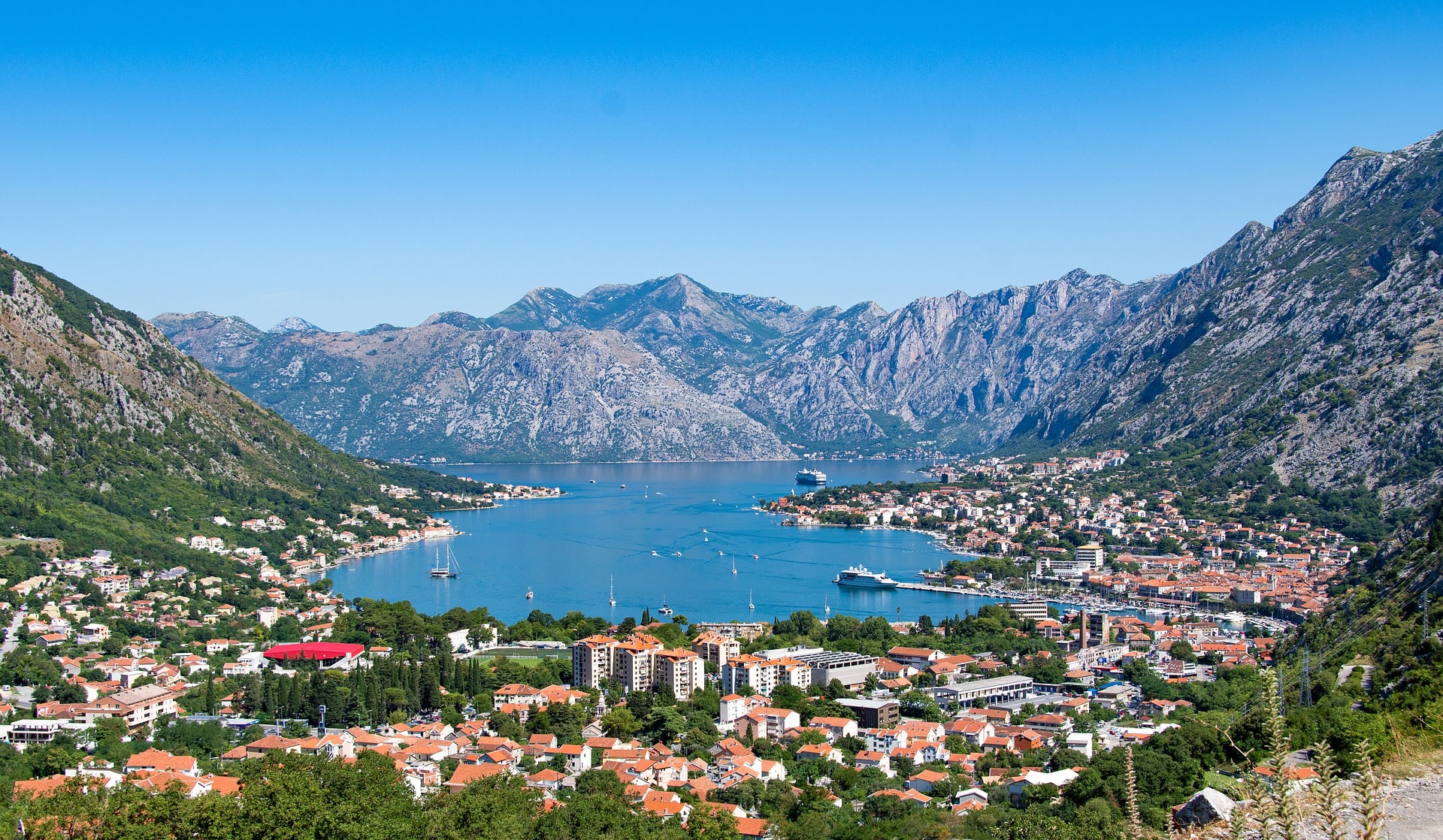
See: Don’t miss St Tryphon’s Cathedral, the most impressive building in Kotor, dating back to 1166. Inside are splendid Romanesque architecture and the remains of Byzantine-style frescoes (OK and some relics). The most valuable treasure of all to keep an eye out for is the gilded-silver bas-relief altar screen.
Do: If you’ve got the puff, climb the fortress of San Giovanni for dazzling views of the Old Town and The Boka bay; you’ll also pass a 15th-century church and ruins of a military building en route. Beware, though, there are 1,355 steps to the top! To stay on the flat, simply enjoy a stroll around the city’s romantic and narrow streets.
Eat: For brave foodies, try Gavice, a traditional Montenegrin snack. These are small fish that have been floured and fried – you eat everything, bones, scales and all, but thankfully their heads have already been lopped off so you don’t need to look them in the eye.
Drink: Rakija is the national drink of Montenegro. It’s a powerful brandy served neat, with the plum-flavoured šljivovica the most popular. Rakija is commonly used as a base for cocktails too if you don’t fancy it straight up.
Buy: Get your paws on some fabulous feline souvenirs at Cats of Kotor during your Montenegro cruise. Kotor is very proud of its many cats (descended from the moggies that came to Montenegro on ships over the years) and even has a museum dedicated to them. At Cats of Kotor, you can buy everything from cat earrings (made by local women) to cat treats. Yes, really.
See: Be amazed by one of the world’s oldest trees, Stara Maslina. Found just a short drive from the city centre, this olive tree is over two thousand years old!
Do: Experience a taste of royalty at King Nikola’s Palace, the main cultural attraction in Bar. The palace was built in 1885 for King Nikola’s daughter and is now a museum filled with folk costumes and other historical gems.
Eat: Bajadera is one of the most famous sweets in the Balkans. It’s a layered treat sandwiched in chocolate and filled with a type of nougat made from crushed nuts and shortbread biscuits – perfect as an afternoon snack or as a post-dinner dessert.
Drink: Montenegro wine-making dates back to pre-Roman times, with vineyards spread across the valley of Skadar Lake. Impressively, grapes can be cultivated here throughout the year thanks to favourable geographical conditions. Vranac, a black-skinned grape native to mountainous Montenegro, is behind many of the local wines.
Buy: Head to the city’s covered Green Market for lovely fresh local products from Mediterranean fruits and veggies to fish, dairy and meat products. It operates every day, all year round.
What can I see on a Croatia and Montenegro cruise?
Expect medieval walled cities, sapphire-blue seas and ancient coastal towns. Highlights include Dubrovnik’s old city walls, Split’s Diocletian’s Palace, and Montenegro’s stunning Bay of Kotor.
Which cruise lines sail to Croatia and Montenegro?
Marella Cruises is a popular choice for Adriatic itineraries, often combining Croatia’s Dalmatian Coast with Montenegro’s scenic ports. Other major lines like MSC Cruises and Norwegian Cruise Line also include these destinations on their Mediterranean routes.
When is the best time to cruise Croatia and Montenegro?
The best time to visit is between May and October when the weather is warm, the sea is calm and most attractions are open. July and August are the busiest months, while May, June and September offer fewer crowds.
What local food should I try in Croatia and Montenegro?
Don’t miss fresh Adriatic seafood, grilled octopus, oysters from Ston, and black risotto in Croatia. In Montenegro, try Njeguški pršut (smoked ham), local cheeses and Vranac red wine.
Do I need euros in Croatia and Montenegro?
Yes. Both countries use the euro, making it simple for travellers to spend and plan excursions ashore.
Can I visit Dubrovnik and Kotor on the same cruise?
Yes, many itineraries include both ports as they’re only a few hours apart by sea. It’s a great way to experience the contrast between Croatia’s polished heritage and Montenegro’s dramatic natural beauty.
What are the best excursions in Croatia and Montenegro?
Popular excursions include walking tours of Dubrovnik’s old town, visiting Split’s Roman ruins, exploring Kotor’s fortress walls and sampling local wine near Bar.
Harriet Mallinson is Editor of Sailawaze and an award-winning cruise and travel journalist with 10 years of experience. Named Specialist Travel Writer of the Year at the 2024 Travel Media Awards for her cruise coverage, she writes about cruise ships, destinations, travel trends and life at sea. Her adventures have taken her from flyboarding in Malaga and ziplining in Costa Rica to truffle-hunting in Tuscany and whale-watching in Iceland. After finally ticking off the Northern Lights in Sweden, she’s now dreaming of Antarctica or French Polynesia.
Become the first to know about win-a-cruise competitions, on-trend holiday inspo and don’t-miss travel advice from the experts.

United Kingdom
USA